
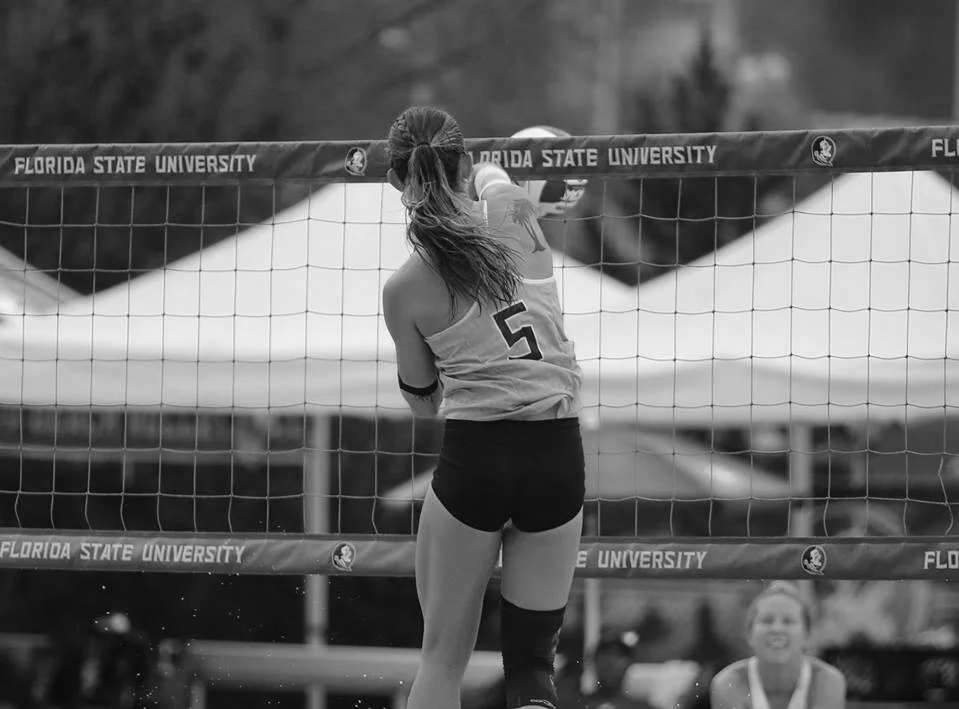
Pregame’s Mental Health Training Model
Pregame is the work that happens before—and beyond—the moment.
Athletes spend years developing their physical skills, refining technique, studying competition, and preparing for the moments that matter.
But the mental side of sport is often addressed only when something goes wrong.
Pregame Psychotherapy takes a different approach.
I believe mental health, mental wellness, and mental performance are interconnected. The goal isn't simply to help an athlete perform better, it is to help them develop the psychological skills, self-awareness, and resilience to navigate the full experience of being an athlete.
That means having a space to work through anxiety, burnout, injury, identity, relationships, and the pressures that come with competition.
It also means proactively developing confidence, focus, emotional regulation, self-awareness, and healthy ways of responding to success and failure.
Because the mind that shows up to competition is the same mind that goes home afterward.
Train for the competition.
Build for the long game.
Three dimensions. One athlete.
Pregame’s three-part framework tailors interventions to each athlete’s unique needs.
Mental Health
When something isn't working.
anxiety/performance anxiety
depression
burnout
perfectionism
injury and rehabilitation
eating/body-image concerns
relationship difficulties
identity struggles
stress regulation
self-compassion
healthy routines
boundaries
identity outside sport
confidence
navigating success and failure
Build the foundation.
Mental Wellness
Mental Performance
Train the mind for competition.
pre-performance routines
focus and attention
visualization
emotional regulation during competition
mistake response
goal setting
recovery after competition
Certifications & Expertise
-
Psychodynamic Clinical Training at Airport Marina Counseling Service, Westchester, CA
LGBTQIA+ Affirmative Clinical Training at Airport Marina Counseling Service, Westchester, CA
Gottman Level 1 Trained Couples Therapist, Gottman Institute
Trauma Focused - Cognitive Behavioral Therapy (TF-CBT) training
Inference-based Cognitive Behavioral Therapy (I-CBT) for OCD training, International OCD Foundation
-
Antioch University Los Angeles Master of Arts in Clinical Psychology, Concentration: Spirituality & Depth
Florida State University Master of Science: Exercise Physiology
Saint Mary’s College of California Bachelor of Arts: Kinesiology
-
CCSA All-Tournament Team (2019)
First Team All-West Coast Conference (2018)
Mid Valley Conference Player of the Year- Oregon (2016)
Greater Valley Conference Player of the Year- Oregon (2015)
Gatorade State Player of the Year- Oregon (2015)